Growth is Not a Strategy
This week, is that a strategy, an aspiration, or an invitation to be punched in the face?
As is often the case with this weekly whatever it is, I am inspired by something I hear on a podcast. In fact, this week, it is a phrase I have heard repeatedly on the Renegade Marketers Unite podcast and in the writings of Drew Neisser.
"Growth is not a strategy."
As the ringmaster of CMO Huddles and marketing therapist to many of his community of hundreds of CMOs, Drew, it seems, is often offering counsel to those CMOs with leaders and boards that, when asked about a strategy, reply “more pipeline” or “x% growth”.
A challenge that I would suggest is not just the unique pain of the CMO; all of us in the Revenue Department of sales and marketing have been handed this as a strategy, often based on, dare I say it, wishful thinking or numbers pulled from somebody’s arse.
As Drew says:
Growth is not a strategy. It’s an outcome of a successful go-to-market strategy.
The point of my post is not just to join in the lament over the lot of the revenue team, but also to ask, as we enter a new year, how many "strategies" are just wishes for vague outcomes?
A strategy is a testable set of actions; the outcome is the scoreboard.
Crucially, the process of developing the strategy helps validate what that score should be, and it often asks the uncomfortable questions.
Take this familiar ambition of an arbitrary wish for x% more growth or additional pipeline, to turn this into a strategy, we would start with understanding the market. So, very quickly, the strategy work forces questions like:
Where is this growth going to come from?
- What is the actual total addressable market, and what percentage can be realistically addressed?
- Is the category projected to grow by x%, and is this goal based on us just taking a similar share of the market this year, as we did last, assuming the same level of execution?
- If the category is not growing, what aspect of our strategy will help us capture x% more market share than our competitors? Is there something in our strategy around product, pricing, positioning, M&A, or something else that would prevent the competition from stopping us from stealing their lunch money?
- If new business growth is capped and won’t meet our x% target, what’s in our strategy to deliver sufficient expansion within our existing accounts to make up the shortfall?
And other questions like that.
Creating a strategy with your goals may feel uncomfortable, but skipping this work just delays the pain.
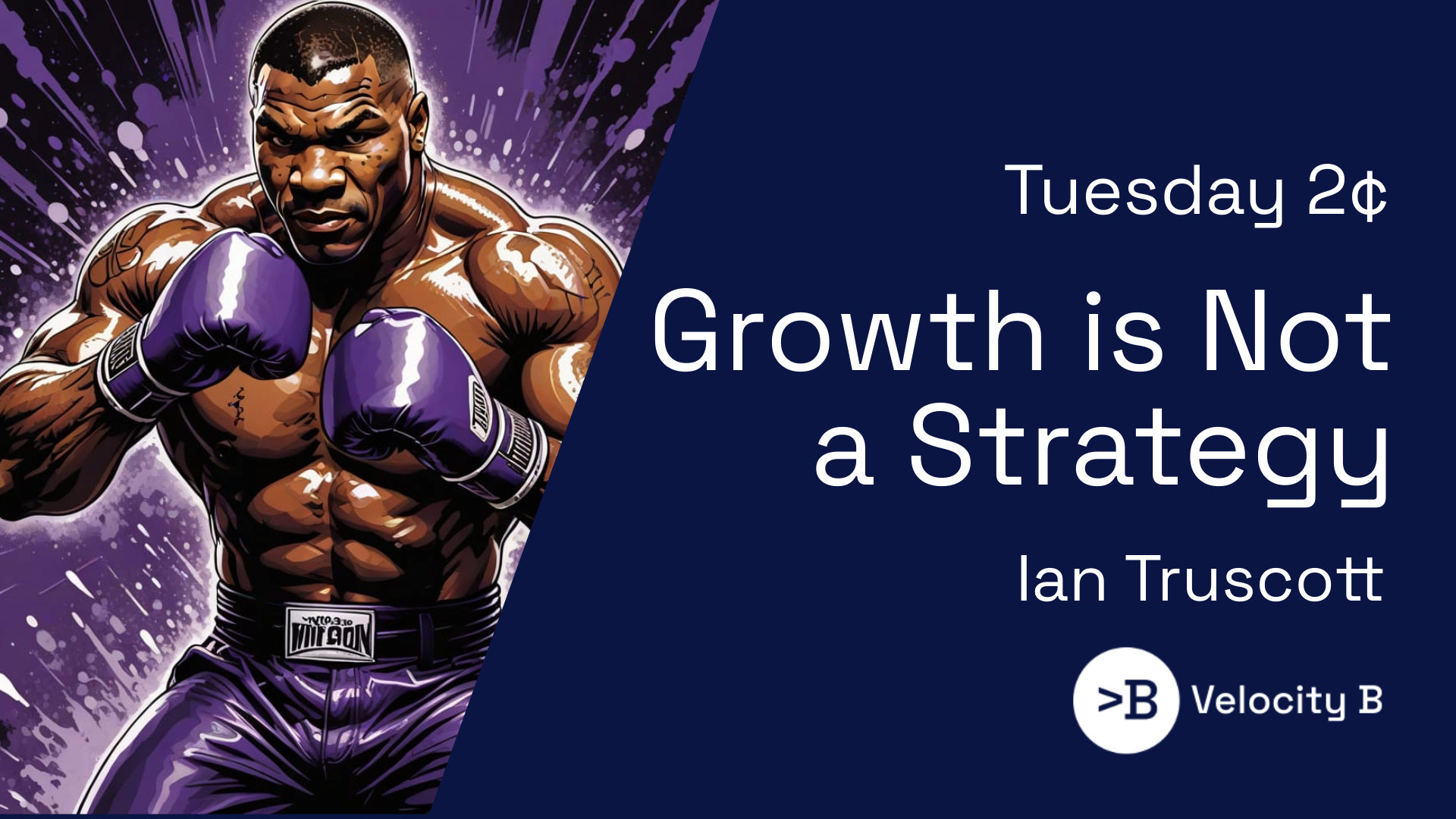
Mike Tyson famously said, “Everyone has a strategy until they are punched in the face,” but what if you hadn't worked out that you were going to be punched? Or by whom, when, or why?
Whatever the outcome you've been handed as a strategy, whether it's growth or something else, doing the work now could prevent a quick, painful lesson later.